Sensory Bin Ideas for Toddlers: 20 Setups with Exact Fillers

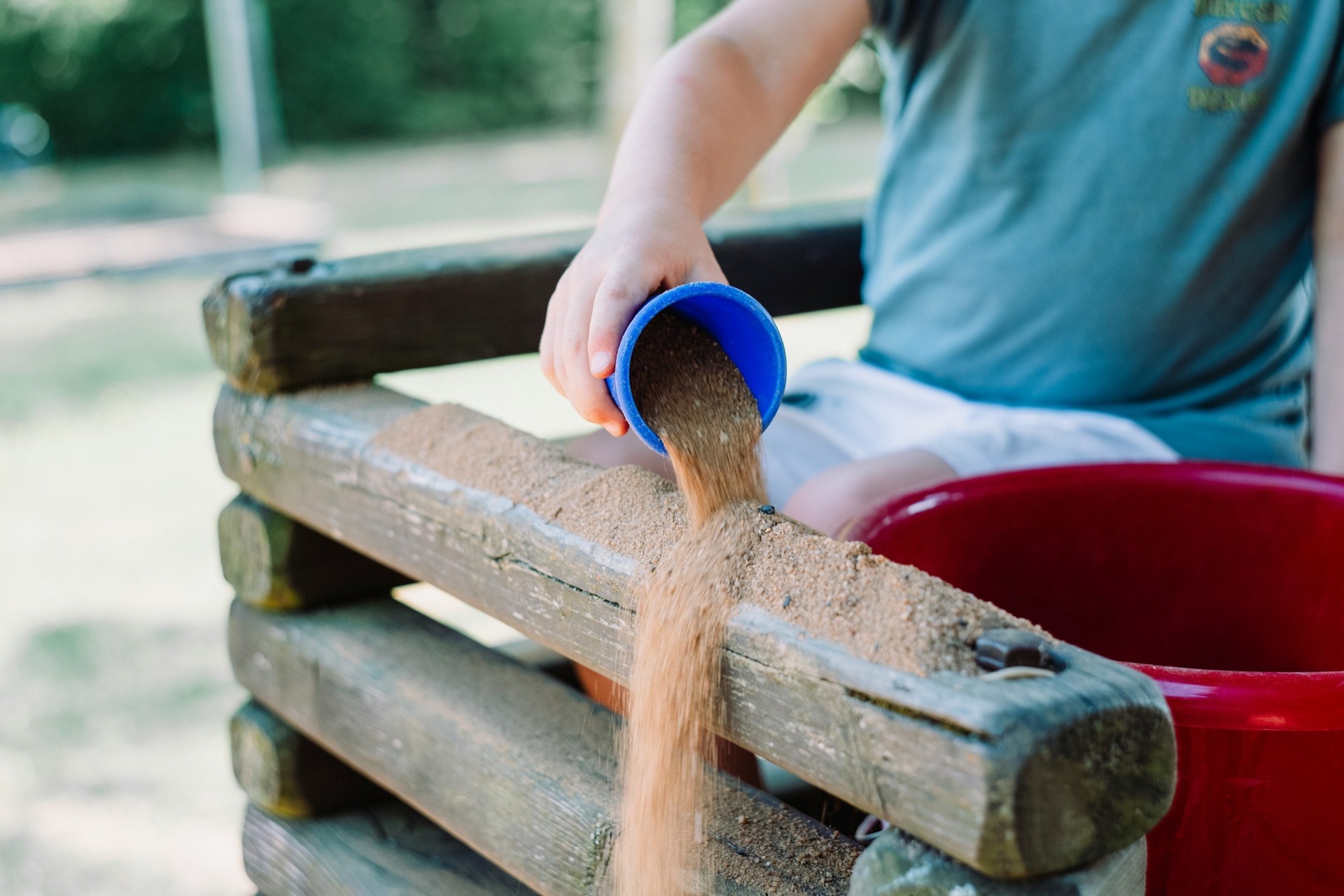
Most sensory bin posts show a beautiful photograph of a bin with no setup instructions, no safety notes, and no honest warning about how long this will actually take to clean up. This is a setup guide.
Each setup below includes exact filler quantities, tool suggestions by age, realistic mess level (1 = minimal, 5 = this requires a bath), and the safety note that most posts skip. Sensory bins are not universally safe for all ages — small objects are choking hazards, and certain fillers are not appropriate for children who still mouth objects.
Age range covered: 12 months–4 years. Each setup specifies the appropriate sub-range within that window.
Why sensory play matters (the short version)
Unstructured sensory play supports problem solving, emotional regulation, social skills, language development, and fine motor skills in toddlers — this is documented across developmental research, including guidance from the NAPA Center and broader occupational therapy literature.
There is also a striking data point from Heffler et al. (JAMA Pediatrics, 2024): children who watched any television or DVDs at 12 months were approximately twice as likely to show atypical sensory processing behaviors by 36 months — and each additional hour of daily screen exposure after 18 months was associated with roughly a 20% increased likelihood. This does not establish causation, but it is consistent with the developmental case for hands-on sensory play as part of early childhood.
Susie Allison of Busy Toddler — one of the most-followed early childhood practitioners — built an audience on sensory bin content specifically because it addresses a real parent need: an activity that provides extended independent engagement while also supporting development. The most-requested follow-up in her comment sections is consistently for age filtering and mess ratings, which is exactly what this guide provides.
Safety first: the rules before the setups
The choking rule. Any bin filler or tool item that fits through a cardboard toilet paper tube is a choking hazard for children who mouth objects. This applies to any child under 3, and to some children up to age 4. Know your child.
The mouthing test. Before setting up any bin, ask: does this child currently mouth objects? If yes, fillers must be food-safe or edible. The setups below mark edible-safe options clearly.
Supervision requirements. All sensory bin play for children under 3 requires direct adult supervision. No exceptions. For children 3–4 with established non-mouthing habits, nearby supervision (in the same room) is generally appropriate.
Water bins. Any bin with water requires the most attentive supervision — drowning risk is present in small amounts of water. Water bins in this guide are marked with a supervision flag.
Fillers: exact recipes
Cloud dough
Safe for ages 2+ who do not mouth objects. Edible-adjacent (flour + oil) but not intended for eating.
Recipe: 2 cups flour + 2 oz (4 tbsp) baby oil. Mix until it holds a pinched shape but crumbles when released. It should feel like kinetic sand but moldable.
Mess level: 2/5. Stays in the bin well. Fine flour dust settles nearby.
Play time estimate: 30–60 minutes.
Dyed rice
Safe for ages 2+ who do not mouth objects. Not edible.
Recipe: 1–2 cups white rice per color. Add 5–10 drops food coloring + 1 tsp white vinegar per cup into a zip bag. Shake. Spread on parchment paper, air dry 1–2 hours until fully dry before use.
Mess level: 3/5. Rice travels. Use a splat mat or deep bin.
Play time estimate: 30–50 minutes.
Water beads
Ages 4+ ONLY. Extreme choking hazard. Not for children who mouth objects. Supervise directly.
Pre-soaked in water per package instructions. The visual appeal is high but the safety requirements are strict. This guide only includes them for the 4-year-old setups.
Kinetic sand
Safe for ages 3+ who do not mouth objects. Commercial or homemade (2 cups play sand + 1 tbsp cornstarch + 1 tsp water).
Mess level: 2/5. The binding property keeps it together.
Play time estimate: 45–75 minutes.
Oobleck (cornstarch and water)
Edible-safe. Ages 18 months+.
Recipe: 1.5 cups cornstarch + 1 cup water. Mix until it behaves as a non-Newtonian fluid — liquid when still, solid under pressure. Food coloring optional.
Mess level: 4/5. Drips and dries into a powder. Cover everything nearby.
Play time estimate: 20–40 minutes.
Moon sand
Ages 3+ who do not mouth objects.
Recipe: 8 cups all-purpose flour + 1 cup baby oil. Mix until clumps form. Packs like beach sand.
Mess level: 3/5. Flour dust settles.
Play time estimate: 30–60 minutes.
Dry pasta / dried beans
Ages 3+ who do not mouth objects. Choking hazard.
No recipe needed — any small dry pasta or dried beans. Lentils are easiest to clean up. Avoid for any child who still puts things in their mouth.
Mess level: 3/5. Scatters on hard floors.
Play time estimate: 25–45 minutes.
The 20 setups
12–18 months
1. Water and cups (supervision required) Filler: 2 inches of lukewarm water. Tools: stacking cups, a small ladle, a sponge. Mess: 3/5. Setup: 2 min. Direct supervision required at all times. Use a small bin with low sides so child can reach in. The engagement here is cause-and-effect with water — what happens when I pour? Sensory: temperature, resistance, flow.
2. Dry oatmeal with spoons Filler: 2 cups rolled oats. Tools: large spoons, small cups, a measuring scoop. Mess: 2/5. Setup: 2 min. Edible-safe. Oats scatter but sweep up easily. Satisfying scooping and pouring activity. Engagement: 20–35 minutes at this age.
3. Jello dig Filler: one package of Jello prepared in a bin, small plastic animals hidden inside. Mess: 4/5. Setup: 4 hours (setting time) + 5 min hands-on. Edible-safe. The sensory experience of cold, wobbly Jello and the discovery element of hidden animals makes this a reliable hit. Have a towel down. The bath follows this one.
4. Oobleck first experience Filler: standard oobleck recipe (above). Tools: just hands. Mess: 4/5. Setup: 5 min. Edible-safe (cornstarch). The non-Newtonian physics is genuinely confusing for this age in a delightful way — they will hold their hand still and watch it sink, then try to grab and find it resists. No tools needed; just hands.
18 months–2 years
5. Shredded paper nest Filler: shredded paper from a home shredder. Hidden objects: small plastic eggs or figurines. Mess: 3/5. Setup: 5 min. The search-and-find element adds cognitive engagement beyond pure sensory. Age-appropriate if no mouthing. Engagement: 25–40 minutes.
6. Cloud dough with basic molds Filler: cloud dough recipe (above). Tools: silicone molds, small rolling pin, plastic knives. Mess: 2/5. Setup: 10 min. Cloud dough at this age is about squeezing, pressing, and releasing — the molds are suggestions, not requirements. Engagement: 30–50 minutes.
7. Sensory ice bin Filler: large ice cubes (too large to be a choking hazard) in a bin with a small amount of water. Tools: tongs (supervision needed), cups. Mess: 2/5. Setup: ice-making time + 2 min. Cold temperature exploration. Ice melts to change the bin’s properties mid-session. Supervision required for cold exposure; limit session length to 10–15 minutes for this age.
8. Dried pasta scooping Filler: 2 cups penne or rigatoni (large shapes, lower choking risk than small pasta). Tools: spoons, small colander, cups. Mess: 3/5. Setup: 3 min. For 18 months–2 years, use large pasta shapes only. Not for children who mouth objects. Fine motor practice with scooping and transferring.
2–3 years
9. Dyed rice with hidden animals Filler: 2 cups dyed rice. Hidden objects: small plastic animals or figures. Tools: spoons, tongs with looped handles, small cups. Mess: 3/5. Setup: 2 hours (drying) + 5 min. The discovery element keeps engagement elevated. Use a deep bin or do this on a splat mat. Engagement: 35–55 minutes.
10. Kinetic sand with molds and tools Filler: kinetic sand (commercial or homemade). Tools: silicone cake molds, plastic knives, small trucks for driving through. Mess: 2/5. Setup: 5 min. Kinetic sand is the highest-ratio engagement-to-mess sensory option. The binding property means it stays in the bin far better than rice or pasta. Commercial kinetic sand (Melissa & Doug and similar brands) is finely calibrated. Engagement: 45–75 minutes.
11. Mud kitchen Filler: soil + water (outdoor setup). Tools: old pots, pans, spoons, cups. Mess: 5/5. Setup: 5 min. Best conducted outside. A designated “mud kitchen” setup — an old pot, a ladle, some dirt and water — produces some of the longest engagement windows in early childhood research. The outdoor context handles the mess. Engagement: 60–120 minutes.
12. Sensory cloud bin Filler: shaving cream spread across the bottom of a bin. Add food coloring drops without mixing. Mess: 4/5. Setup: 3 min. Not edible-safe — for children who no longer mouth objects. The color-mixing that happens as they swirl the foam is the engagement driver. Engagement: 25–45 minutes.
13. Dinosaur dig Filler: kinetic sand or moon sand. Hidden objects: small dinosaur figures, a few “fossils” (smooth rocks or shells). Tools: small brushes, spoons, cups. Mess: 2–3/5. Setup: 10 min. Narrative setup increases engagement: tell them they are paleontologists and have to brush the fossils carefully. Engagement: 45–75 minutes.
14. Color sorting bin Filler: dyed rice split into two colors (or two fillers of different colors). Objects: small color-coded items. Tools: tongs, sorting cups. Mess: 3/5. Setup: 15 min. Color recognition combined with fine motor (tong use). The cognitive sorting task extends engagement past the pure sensory exploration. Engagement: 30–50 minutes.
3–4 years
15. Moon sand construction site Filler: moon sand. Tools: small toy trucks, plastic road signs, molds to create “buildings.” Mess: 3/5. Setup: 15 min. At this age, imaginative play overlays sensory play — they are not just touching the sand, they are building a world. The construction site narrative extends engagement significantly. Engagement: 60–90 minutes.
16. Oobleck science experiment Filler: oobleck. Tools: measuring cups, spoons, a dropper. Mess: 4/5. Setup: 5 min. Frame this as a science experiment. Ask questions: “What happens when you poke it fast? Slow?” The non-Newtonian physics is genuinely interesting at this age when paired with adult curiosity questions. Engagement: 30–50 minutes.
17. Watercolor rice bin Filler: plain rice. Tools: watercolor paints and brushes, cups of water. Mess: 3/5. Setup: 5 min. The child paints the rice in the bin, then mixes colors by scooping and pouring. Process art and sensory bin combined. Engagement: 40–60 minutes.
18. Nature sensory bin *Filler: potting soil. Objects: leaves, bark, rocks, seed pods, small plastic animals. Tools: garden trowel, magnifying glass. Mess: 3/5. Setup: 15 min (gathering materials). * Outdoor collection + indoor play. Works especially well after a walk where the child can pick the items for the bin. Engagement: 45–75 minutes.
19. Kinetic sand bakery Filler: kinetic sand. Tools: cupcake molds, a small rolling pin, plastic cookie cutters, toy plates. Mess: 2/5. Setup: 5 min. The imaginative play overlay (bakery shop, pretend orders) is what makes this work at age 3–4 rather than the sensory aspect alone. Engagement: 60–90 minutes.
20. Slime science (with exact recipe) Filler: basic slime. Tools: mixing bowl, mixing tool, storage container. Mess: 3/5. Setup: 10 min. Standard non-borax recipe for safety: 1/2 cup white school glue + 1/2 tsp baking soda + food coloring → mix. Add contact lens solution a few drops at a time (must contain boric acid — check label), knead until it stops sticking to hands. Not for children who still mouth objects. Wash hands before and after. Store away from younger siblings. Engagement making it: 20–30 min. Engagement playing with it: another 30–45 min.
Common questions
What is the safest sensory bin filler for a 12-month-old?
For children under 18 months who are actively mouthing objects, the safest fillers are edible-safe options: oobleck (cornstarch + water), dry oatmeal, cooked and cooled pasta, or Jello. Water (in small amounts, with direct supervision) is also appropriate. Avoid any filler that could be inhaled or that poses a choking risk.
How do I keep the mess contained?
A splat mat or vinyl tablecloth under the bin is the primary containment. Use a bin with sides at least 6 inches tall. Position the bin away from carpeted areas. For rice and sand specifically, a wider bin (rather than a taller one) reduces side scatter. Cleaning up with the child at the end as a routine reduces resentment of the mess.
How long do sensory bins actually keep a toddler engaged?
The honest range from practitioner reports: 20–40 minutes for 12–18 month olds, 30–60 minutes for 2–3 year olds, 45–90 minutes for 3–4 year olds on a novel bin. Repeat setups of the same bin have lower engagement the second time — variety matters. Rotating three to four bins over two weeks is more effective than keeping one out.
Can I leave my 3-year-old alone with a sensory bin?
It depends on the filler and your specific child. For edible-safe fillers (cloud dough, kinetic sand, oobleck) with a child who no longer mouths objects, nearby supervision (within the same room) is generally reasonable at age 3–4. For any small-object filler (rice, pasta, water beads) or water, direct supervision is required regardless of age.
Using this guide
Print the filler recipes and keep them somewhere accessible. The setups that take under 5 minutes of prep (water and cups, dry oatmeal, oobleck) are your “nothing planned, need something now” options. The setups with more prep (dyed rice, moon sand, dinosaur dig) are worth planning for a weekend morning when you have 15 minutes to get it ready before the child wakes up.
For older children (ages 5–8) who have graduated past sensory bins, our screen-free activities for ages 5–8 provides the same format — setup time, engagement estimate, supplies — for the next age band. For the full picture of why sensory play matters and every related guide on this site, see our sensory play cluster guide.
Heads up: this post contains affiliate links. If you buy through them we may earn a commission at no extra cost to you — it's how we fund independent research. Full disclosure.